



All Products
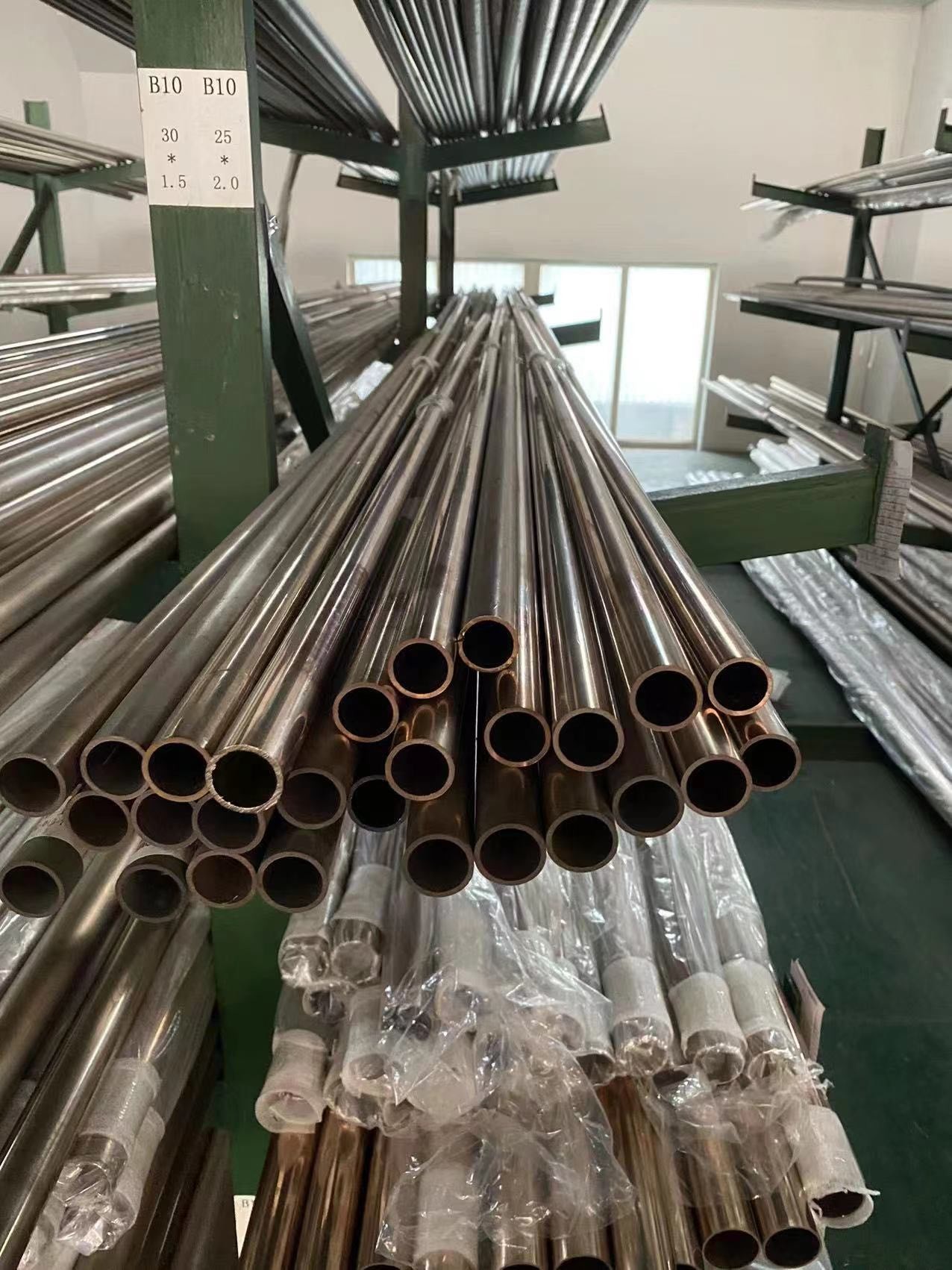
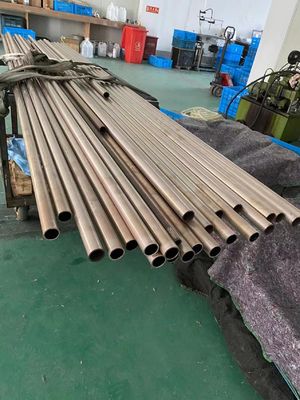
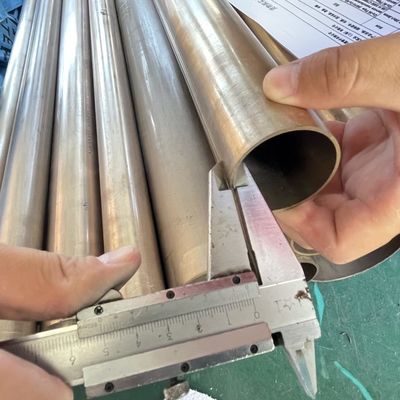
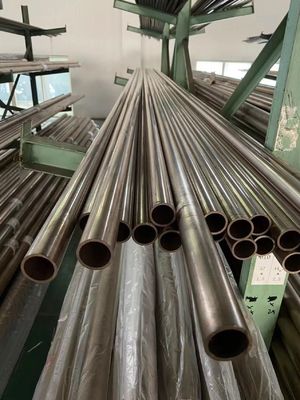
CuNi 70/30 Copper Nickel Pipe, Anti-Biofouling Seawater System, ASTM B466 C71500
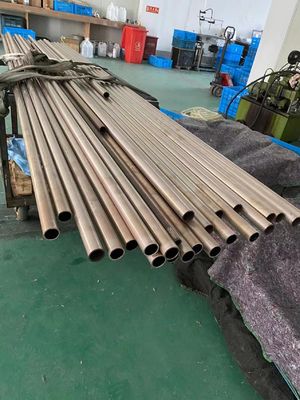
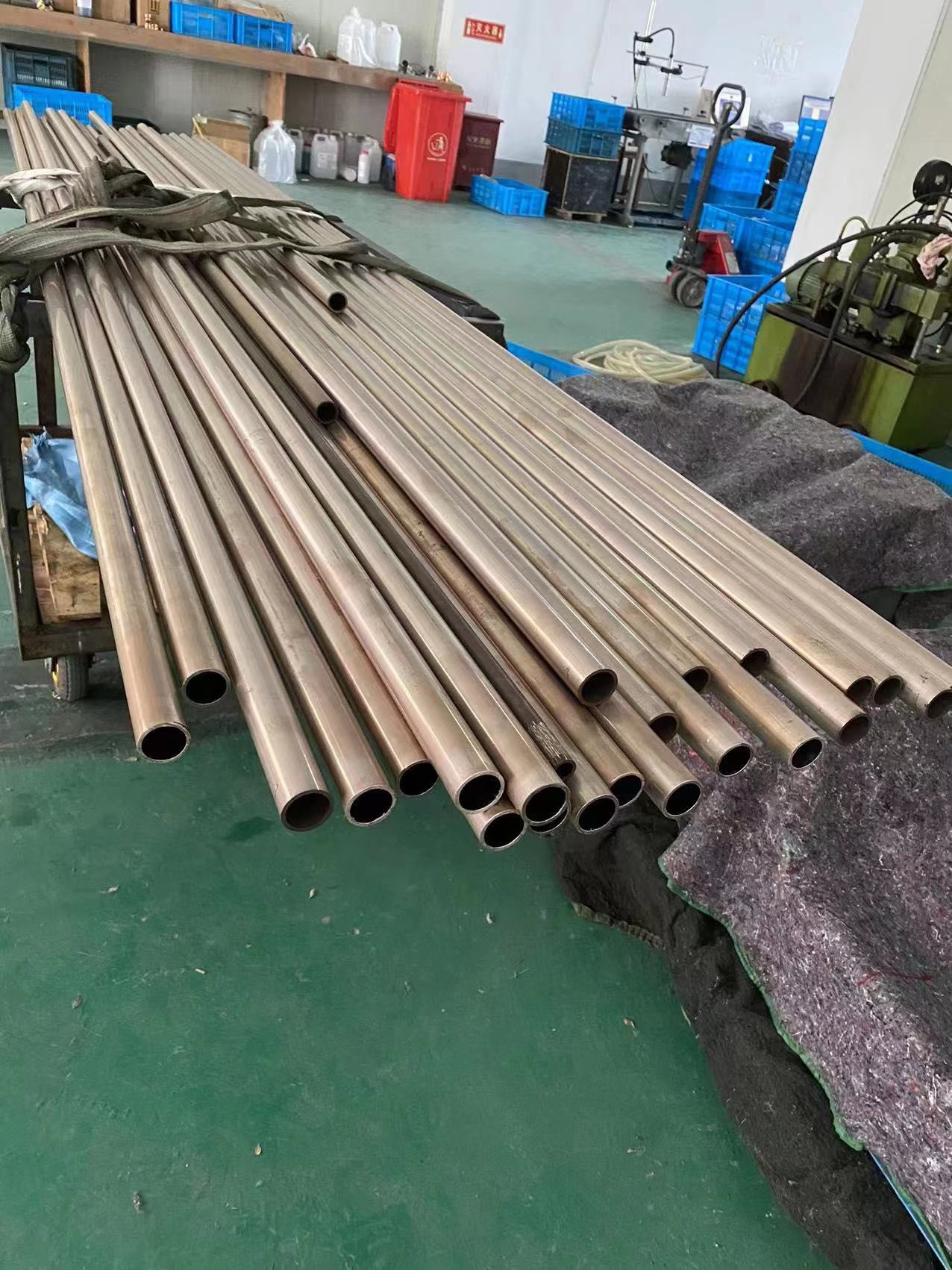
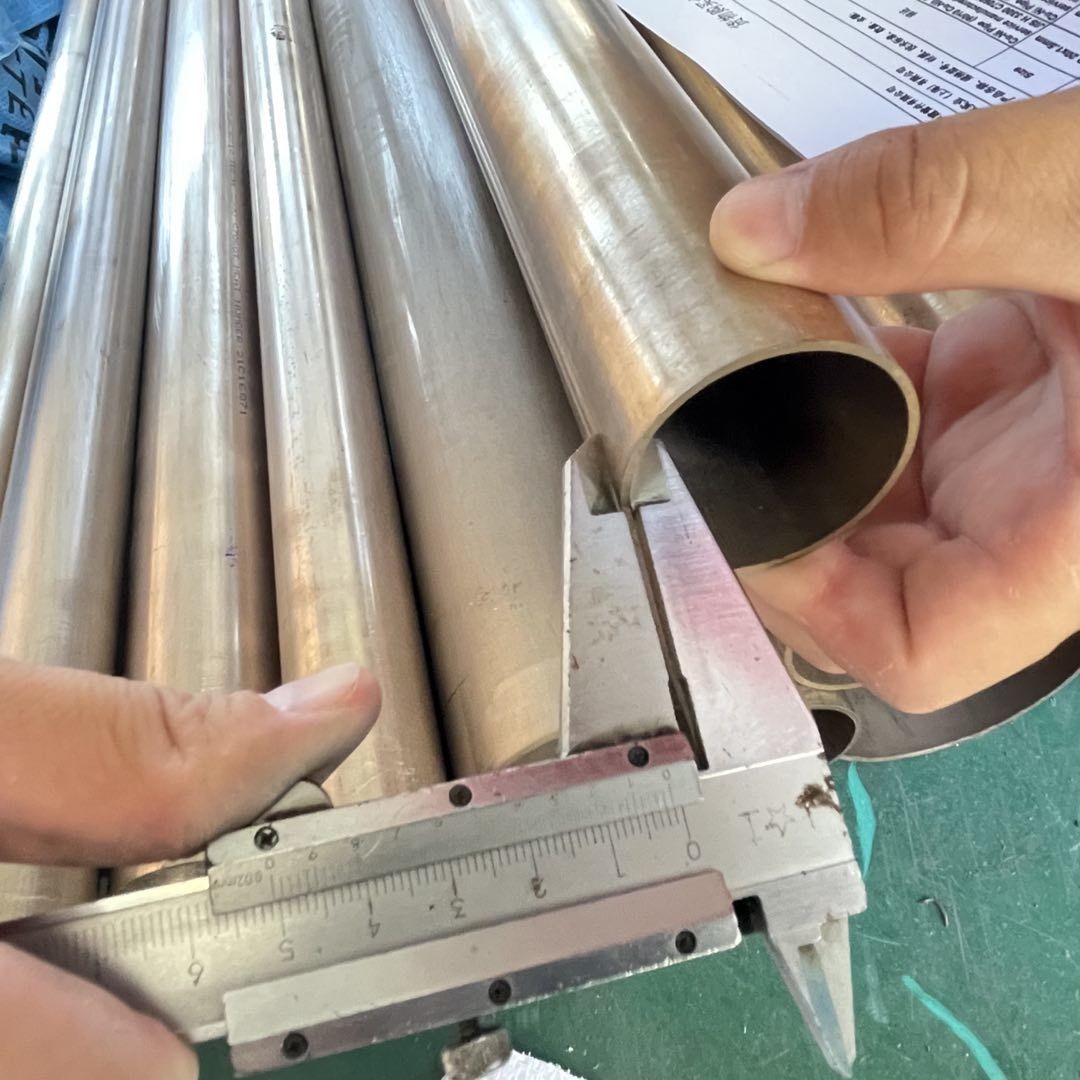
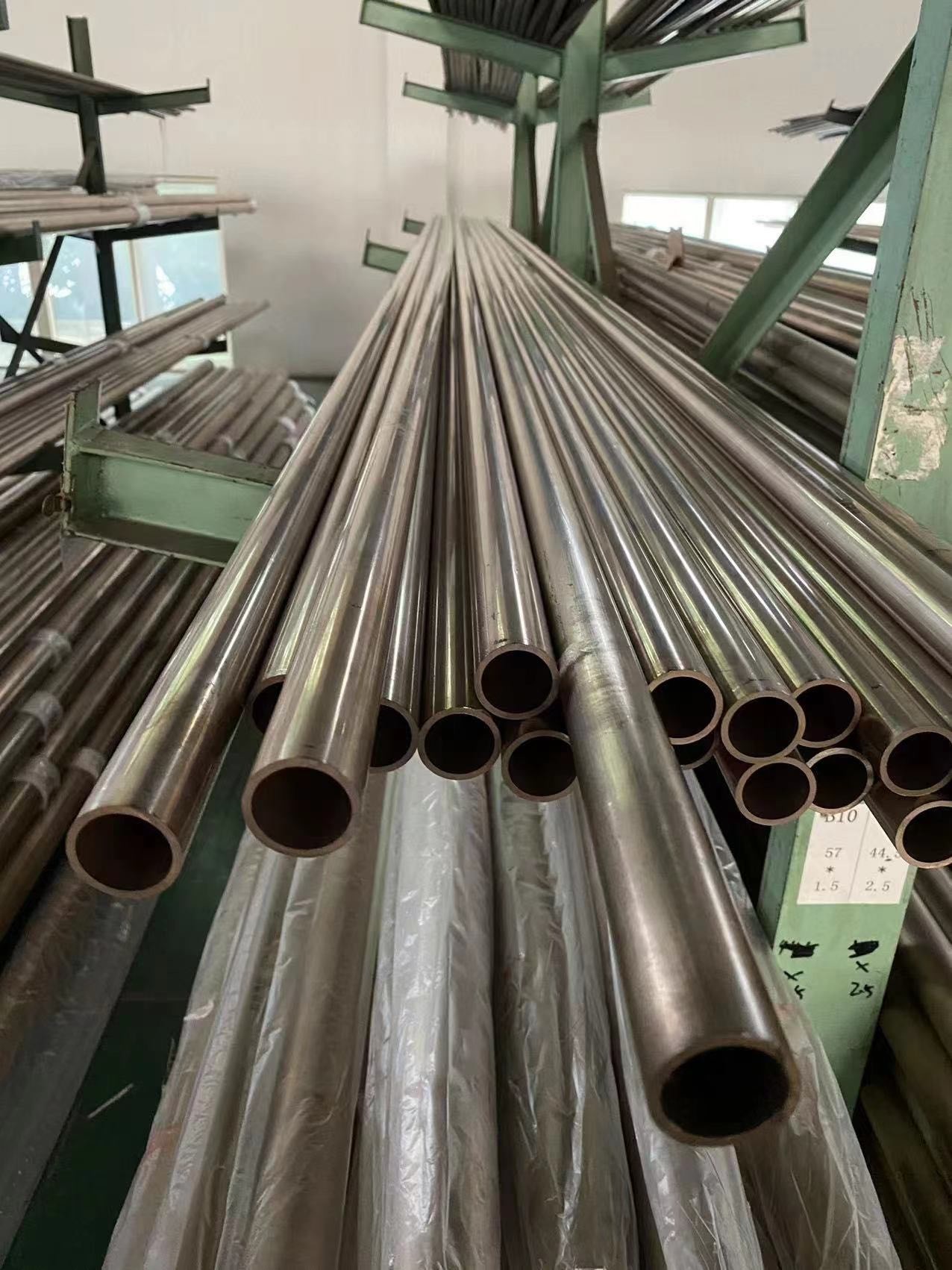
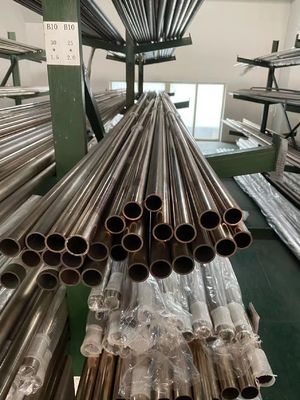
| Place of Origin | Shanghai,China |
|---|---|
| Brand Name | TOBO |
| Certification | ISO/TUV/SGS |
| Model Number | Copper Nickel Pipe |
| Minimum Order Quantity | 1PC |
| Price | Negotiable |
| Packaging Details | Standard Shipping Package |
| Delivery Time | 15-30 Workdays |
| Payment Terms | T/T, Western Union |
| Supply Ability | 10Ton/Month |
Product Details
| Product Name | CuNi 70/30 Copper Nickel Pipe, Anti-Biofouling Seawater System, ASTM B466 C71500 | Alloy Or Not | Alloy |
|---|---|---|---|
| Yield Strength | High | Application | Water Tube |
| Secondary Or Not | Non-secondary | Wall Thickness | 0.2mm~120mm |
| Standardscompliance | ASTM B466, ASTM B111, ASTM B829 | Grade | C70600 |
| Mechanicalproperties | High Tensile Strength And Good Ductility | Shape | Pipe |
| Pressure | 300/600/900 | Section Shape | Round |
| Highlight | CuNi 70/30 copper nickel pipe,anti-biofouling seawater pipe,ASTM B466 C71500 pipe |
||
Product Description
CuNi 70/30 Copper Nickel Pipe, Anti-Biofouling Seawater System, ASTM B466 C71500
1.Product Description
Copper nickel pipe is a copper-based alloy tube manufactured from high-purity electrolytic copper and nickel, with iron and manganese added as strengthening elements, through vacuum melting, hot extrusion/piercing, multi-pass cold rolling or drawing, and bright annealing. The product range covers two primary grades: 90/10 copper-nickel alloy (UNS C70600, approximately 90% copper and 10% nickel with 1.0%~1.8% iron) and 70/30 copper-nickel alloy (UNS C71500, approximately 70% copper and 30% nickel with 0.4%~1.0% iron). Supply forms include seamless and welded pipes, fully compliant with ASTM B466/ASME SB466 (seamless), ASTM B467/ASME SB467 (welded), and ASTM B111 (condenser tube) standards, with type approval available from major classification societies such as DNV, ABS, and LR. The pipes are delivered in soft annealed (O-temper), half-hard, or hard conditions, with surface finishes including pickled and passivated, bright annealed, or mechanically polished, ensuring excellent mechanical properties and corrosion resistance.
2.Product Applications
Copper nickel pipes are widely used in marine engineering, shipbuilding, petrochemical, power generation, and desalination industries due to their outstanding seawater corrosion resistance and anti-biofouling properties. In shipbuilding and marine engineering, they are primarily used for main and auxiliary engine seawater cooling systems, central coolers, ballast water systems, fire mains and sprinkler systems, bilge piping, and sanitary and air-conditioning cooling lines. In desalination, they serve as tube bundles and process piping for multi-stage flash (MSF) and multiple-effect distillation (MED) plants. In the oil and gas sector, they are applied in offshore platform and FPSO seawater utilities, seawater risers, and water injection systems. In power generation, they are used for steam turbine condensers and nuclear power plant auxiliary cooling systems. In chemical and process industries, they are employed in chloride-resistant heat exchangers, chlor-alkali brine transfer lines, and brine evaporators. Additionally, they are suitable for precision hydraulic circuits, ship steering gear and brake piping systems, and aquaculture recirculation water lines.
3 . Product Advantages
The core advantages of copper nickel pipes are evident across multiple engineering dimensions. First, their corrosion resistance is exceptionally high, with annual corrosion rates in clean seawater not exceeding 0.025 mm for 90/10 and 0.020 mm for 70/30, far outperforming carbon steel and ordinary copper in resistance to pitting, stress corrosion cracking, and erosion-corrosion, enabling a design life of over 30 years. Second, the surface provides natural anti-biofouling properties, as the slow release of copper ions forms a biocidal layer that effectively prevents attachment of marine organisms such as barnacles, eliminating the need for additional coatings and significantly reducing cleaning and maintenance frequency over long-term service. Third, thermal conductivity is excellent, with 90/10 alloy at approximately 50 W/(m·K), offering significantly higher heat exchange efficiency than stainless steel, making it ideal for heat exchanger tubes; 70/30 alloy at approximately 29 W/(m·K) has moderately lower conductivity but higher strength, suitable for high-pressure and high-temperature duties. Fourth, the material exhibits good fabricability and weldability, supplied in annealed condition for direct cold bending (minimum bend radius 2.5×OD for 90/10 and 3.0×OD for 70/30), expanding, and stamping without intermediate annealing. Gas tungsten arc welding (GTAW) with matching filler metal (e.g., ERCuNi) produces high-quality joints, requiring no preheat and no post-weld heat treatment, with joint corrosion resistance matching the base metal. Fifth, the density of approximately 8.9 kg/dm³ makes the pipes about 50% lighter than equivalent carbon steel, significantly reducing structural loads on equipment and platforms. Sixth, the lifecycle cost is superior, as the extremely low corrosion rate and fouling resistance drastically reduce maintenance and tube replacement frequency, resulting in overall costs well below those of stainless steel and titanium. Furthermore, each pipe is marked with heat and lot numbers for full traceability.

4.Key Product Specification
| Parameter | 90/10 CuNi (C70600) | 70/30 CuNi (C71500) | General Specifications & Engineering Remarks |
| Nickel Content (wt%) | 9.0 ~ 11.0 | 29.0 ~ 33.0 | Key element determining corrosion resistance level |
| Iron Content (wt%) | 1.0 ~ 1.8 | 0.4 ~ 1.0 | Enhances erosion resistance |
| Manganese Content (wt%) | ≤ 1.0 | ≤ 1.0 | Deoxidizing and strengthening agent |
| Tensile Strength Rm (MPa) | ≥ 305 | ≥ 355 | Basis for design stress取值 |
| Yield Strength Rp0.2 (MPa) | ≥ 105 | ≥ 125 | Onset of plastic deformation |
| Elongation A (%) | ≥ 30 | ≥ 35 | Minimum ductility for cold bending without cracking |
| Brinell Hardness HB | ~ 90 | ~ 105 | Tooling selection reference for machining |
| Density (kg/dm³) | 8.90 | 8.95 | For pipe self-weight calculations |
| Thermal Conductivity (W/(m·K)) | ~ 50 | ~ 29 | Core parameter for heat transfer area sizing |
| Electrical Resistivity (μΩ·cm) | ~ 19 | ~ 34 | Reference for electrochemical corrosion assessment |
| Coeff. of Linear Expansion (10⁻⁶/K, 20-300°C) | 17.0 | 16.2 | For thermal expansion compensation design |
| Modulus of Elasticity (GPa) | 135 | 152 | For pipe vibration frequency analysis |
| Seawater Corrosion Rate (mm/a) | ≤ 0.025 | ≤ 0.020 | Input for wall thickness corrosion allowance |
| Critical Erosion Velocity (m/s) | 3.5 | 4.5 | Upper limit reference (recommended ≤80% of critical) |
| Max. Continuous Service Temp. (°C) | 200 | 300 | Special evaluation required if exceeded |
| Supply OD Range (mm) | — | — | Seamless 6.0~273; Welded ≤356 (special up to 914) |
| Supply WT Range (mm) | — | — | 0.8~20.0, matchable to ASME/EN thickness schedules |
| Fixed Length (m) | — | — | 3/6/9/12/18 or custom cut-to-length |
| Delivery Condition | — | — | O-temper (soft annealed) / H02 (half-hard) / H04 (hard) optional, O-temper recommended |
| Surface Finish | — | — | Pickled & passivated (default) / Bright annealed / Mechanically polished |
| Non-Destructive Testing | — | — | Eddy current (ASTM E243) + Hydrostatic or pneumatic test; UT available upon request |
| Applicable Standards | — | — | ASTM B466/B467, ASME SB466/SB467, ASTM B111, BS EN 12449, DNVGL-CG-0187 |
FAQ
1. Are you trading company or manufacturer ? We are manufacturer ,You can see the certification.
2.How long is your delivery time? Generally it is 5-10 days if the goods are in stock. or it is 15-20 days if the goods are not in stock, it is according to quantity.
3. Do you provide samples ? is it free or extra ? Yes, we could offer the sample for free charge but need pay the cost of freight.
4. What is your terms of payment ? Payment<=1000USD, 100% in advance. Payment>=1000USD, 50% T/T in advance ,balance before shippment.
Recommended Products